
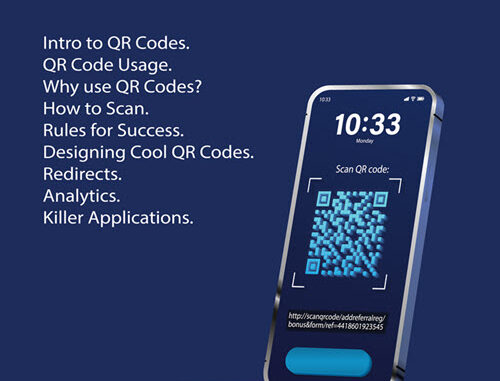
QR codes have quietly become part of everyday life. They appear on menus, product packaging, event signage, books, retail displays, invoices, and marketing materials. Most smartphones now scan QR codes automatically, which has removed the biggest barrier to adoption.
Yet despite their popularity, many QR code campaigns fail.
Not because QR codes don’t work—but because they’re often used without strategy, planning, or long-term thinking.
This guide explains how to use QR codes correctly, avoid common mistakes, and build QR code campaigns that remain reliable over time.
What a QR Code Really Is (and Why That Matters)
A QR code is not just a shortcut to a website. It’s a data container that stores information in a visual pattern that must be interpreted accurately by a camera and scanner.
The more data you pack into a QR code, the denser and harder it becomes to scan. This single fact explains why so many QR codes fail in real-world conditions such as low light, glare, poor printing, or older devices.
Understanding this alone dramatically improves QR code success rates.
Static vs. Dynamic QR Codes
One of the most important decisions happens before you even create the code.
Static QR Codes
- Contain fixed information
- Cannot be changed after creation
- Do not expire
- Work best for permanent, unchanging content
Dynamic QR Codes
- Point to a redirect or managed URL
- Allow you to change destinations later
- Enable scan tracking and analytics
- Are ideal for marketing and campaigns
Choosing the wrong type can turn a QR code into a long-term liability.
When QR Codes Work Best—and When They Don’t
QR codes work best when:
- The user is already holding a phone
- The scan provides immediate value
- The destination loads quickly on mobile
- The purpose is clear before scanning
QR codes perform poorly when:
- A short URL would be faster
- Scanning feels awkward or unsafe
- Internet access is unreliable
- Accessibility alternatives are missing
The question should never be “Can we use a QR code?”
It should be “Does this make access easier for the user?”
Size, Placement, and Print Rules That Prevent Failure
Many QR codes fail simply because they are too small or poorly placed.
General guidelines:
- Minimum printed size: about 1.25 inches square
- Larger sizes are required for distance scanning
- Avoid glossy finishes that create glare
- Maintain a proper quiet zone around the code
Design aesthetics should never override scan reliability.
Why URL Length Matters More Than You Think
Long URLs create dense QR codes. Dense QR codes scan more slowly and fail more often.
Using:
- Short URLs
- Redirects on your own domain
- Controlled landing pages
…results in cleaner QR codes, better scan rates, and long-term flexibility.
This is especially important for packaging, books, signage, and materials that may remain in use for years.
Designing QR Codes That Look Good and Still Work
Custom QR codes can be effective—but only when designed carefully.
Safe customization includes:
- Color contrast
- Logo placement with proper error correction
- Clean backgrounds
- Avoiding pattern distortion
Poor customization is one of the fastest ways to break a QR code.
Tracking, Analytics, and Improving Performance
QR codes without tracking are missed opportunities.
By pairing QR codes with analytics, you can:
- Measure scan volume
- Identify high-performing placements
- Improve calls to action
- Optimize landing pages
If scans are high but conversions are low, the issue is almost always the landing page—not the QR code itself.
Privacy, Security, and Trust
As QR codes become more common, users are also becoming more cautious.
Best practices include:
- Using recognizable domains
- Clear calls to action
- Secure HTTPS destinations
- Transparent data collection practices
Trust directly affects scan rates.
QR Codes as Long-Term Digital Assets
The biggest mistake businesses make is treating QR codes as disposable graphics.
Once printed, a QR code can exist for years. Without redirects, monitoring, and updates, it can quietly turn into a dead link that damages credibility.
Successful QR codes are managed, not forgotten.
Final Thoughts
QR codes are simple—but they are not automatic.
When used intentionally, they bridge physical and digital experiences better than almost any other tool. When used carelessly, they frustrate users and waste opportunities.
QR Codes Demystified exists to close that gap—turning QR codes from guesswork into a reliable business asset.